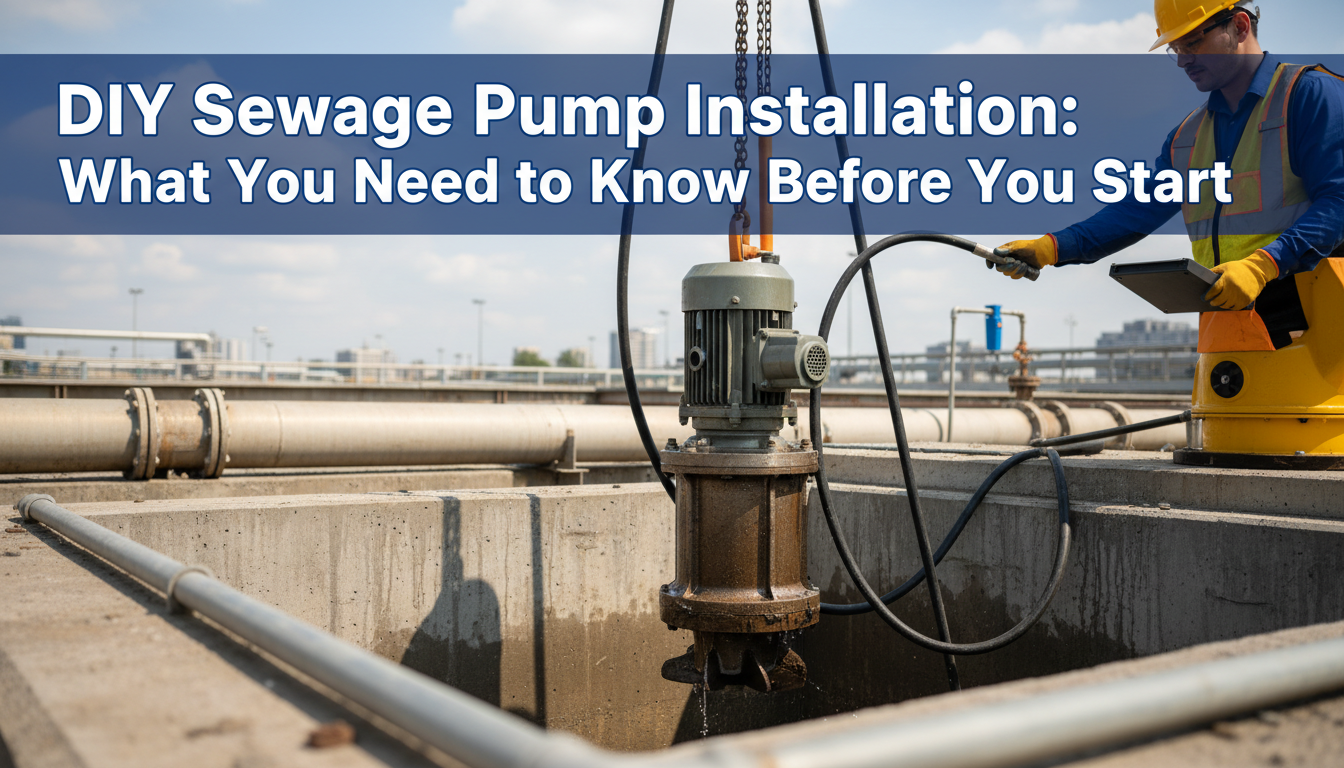
In heavy-duty industrial environments, efficient fluid management is essential for safety, productivity, and long-term operational success. Submersible pumps have emerged as one of the most reliable and powerful pumping solutions, designed to perform under extreme conditions where durability, efficiency, and continuous operation are critical. This guide provides a detailed overview of industrial submersible pumps, their types, applications, and key factors to consider when selecting the right pump for demanding industrial needs.
Understanding Submersible Pumps
A submersible pump is engineered to operate completely submerged in the fluid it pumps. The motor is hermetically sealed to prevent liquid ingress, ensuring consistent performance and extended service life. These pumps are widely used in industrial sectors because they eliminate suction limitations, reduce energy loss, and deliver high efficiency even in harsh environments.
By operating directly within the fluid, submersible pumps minimize cavitation risks, improve flow consistency, and withstand external environmental factors such as dust, debris, and temperature fluctuations. This operational principle provides significant advantages over traditional surface-mounted pumps in terms of efficiency, safety, and reliability.
Types of Submersible Pumps for Industrial Applications
Standard Industrial Submersible Pumps
Standard submersible pumps are used for clean or slightly contaminated water. They are commonly deployed in construction sites, industrial drainage systems, water supply networks, and mining support operations. These pumps are known for their reliability, energy efficiency, and ease of installation.
Standard industrial submersible pumps feature robust construction suitable for general-purpose applications. Their versatility and proven performance make them cost-effective solutions for applications where specialized features are unnecessary.
Submersible Slurry and Sludge Pumps
Slurry and sludge pumps are designed to handle abrasive, viscous, and solid-laden fluids. Reinforced impellers, hardened wear components, and high-torque motors allow these pumps to operate efficiently in mining, wastewater treatment, cement plants, and industrial processing facilities.
These specialized pumps feature reinforced construction throughout, with hardened impellers and wear plates that resist abrasion from suspended solids. Their robust design enables continuous operation in the most challenging industrial environments without premature degradation.
Submersible Sewage and Wastewater Pumps
Sewage pumps are specifically engineered to manage raw sewage, wastewater, and fibrous solids. Many models feature cutter or grinder mechanisms that break down solids, reducing clogging risks and ensuring uninterrupted flow in municipal and industrial wastewater systems.
Advanced sewage pump designs incorporate multiple protective features including non-clogging impellers, integrated screening systems, and cutting mechanisms that process fibrous materials before they enter the pump. These features ensure reliable operation in challenging wastewater environments.
Submersible Dewatering Pumps
Dewatering pumps are essential in construction, tunneling, mining, and flood-control applications. These pumps rapidly remove large volumes of water from excavations, foundations, and low-lying areas, maintaining dry and safe working conditions.
Dewatering pumps are engineered for high-volume water removal with minimal downtime. Their designs prioritize rapid deployment, ease of repositioning, and ability to handle variable water levels and potentially contaminated water sources commonly encountered in construction and mining operations.
Specialized Industrial Submersible Pumps
Some industrial processes require specialized submersible pumps, including chemical-resistant pumps for corrosive fluids, thermal-resistant pumps for hot liquids, cutter pumps for fibrous waste, and agitator pumps for maintaining sediment suspension in tanks and pits.
These specialized pumps are customized for specific industrial applications, incorporating materials and features that match unique operational requirements. Chemical-resistant models use specialized seals and corrosion-resistant materials, while thermal-resistant pumps incorporate advanced cooling systems for handling elevated temperatures.
How to Choose the Right Submersible Pump
Power and Horsepower Requirements
Choosing the correct horsepower is crucial for performance and energy efficiency. Light-duty applications may require lower horsepower units, while industrial operations often demand high-capacity pumps exceeding 10 HP. Selecting the correct pump size prevents energy waste, overheating, and premature equipment failure.
Key factors include required flow rate, total head, operating hours, and fluid characteristics. Proper sizing ensures reliable operation and optimal cost-efficiency. Undersized pumps cannot meet operational demands and risk overheating, while oversized pumps waste energy and increase unnecessary operating costs.
Conduct a thorough assessment of peak and average flow requirements, accounting for seasonal variations and future expansion plans. This comprehensive analysis ensures the selected pump provides adequate capacity with room for growth.
Material Selection and Pump Design
The pump's construction material must match the fluid being handled. Stainless steel offers excellent corrosion resistance, cast iron is suitable for general water applications, and specialized alloys are required for aggressive chemicals and abrasive slurries.
Advanced design features such as robust sealing systems, motor protection, and thermal safeguards enhance durability and reliability in demanding industrial environments. Material selection directly impacts pump longevity and maintenance costs over the equipment's operational life.
Evaluate material compatibility with all fluids handled, including seasonal variations and potential contaminants. Consult with pump manufacturers regarding specific applications involving corrosive, abrasive, or chemically aggressive fluids.
Installation Depth and Positioning
Installation conditions directly affect pump performance. Selecting a pump rated for the required submergence depth and discharge configuration ensures efficient operation. Compatibility with existing piping, power supply, and system layout is also critical for seamless integration.
Consider suction conditions, discharge line routing, and system pressure requirements. Proper installation following manufacturer guidelines optimizes performance and extends equipment lifespan.
Industrial Applications of Submersible Pumps
Mining Industry
Submersible pumps manage groundwater ingress, tailings transport, and slurry handling in mining operations. Their rugged design allows continuous operation in abrasive and high-solid environments where standard equipment would fail.
Mining applications demand pumps capable of handling extreme conditions including deep submersion, high solid concentrations, and abrasive mineral particles. Submersible pumps excel in these environments, supporting both small exploration operations and large-scale industrial mining.
Construction and Infrastructure Projects
Construction sites rely on dewatering pumps to control water levels in excavations, basements, and foundations. These pumps enhance worker safety and protect equipment from water damage.
Efficient dewatering enables construction work to proceed on schedule regardless of groundwater conditions or seasonal rainfall. Mobile dewatering systems can be quickly deployed and relocated as project requirements change.
Wastewater Treatment Plants
Municipal and industrial wastewater facilities depend on sewage and sludge pumps for transporting raw sewage, activated sludge, and treated effluent while maintaining regulatory compliance.
These facilities require reliable, continuous-duty pumps capable of handling variable flow rates and diverse waste compositions. Modern treatment plants employ multiple pump types throughout the treatment process, each optimized for specific duties.
Agricultural Operations
In agriculture, submersible pumps support irrigation systems, drainage control, and livestock watering, ensuring consistent water supply and effective water management.
Agricultural applications benefit from the reliability and efficiency of submersible pumps, which can operate continuously during irrigation seasons while withstanding outdoor environmental conditions. Well-based and pond-based installations require minimal supporting infrastructure.
Industrial Processing Facilities
Chemical plants, refineries, and manufacturing units use specialized submersible pumps for fluid circulation, chemical transfer, and high-temperature processing, ensuring safe and efficient operations.
Industrial processing demands pumps with precise flow control, material compatibility with specific chemicals, and capability to maintain performance under demanding operational schedules. Submersible pump technology provides the reliability and flexibility these facilities require.
Maintenance and Safety Best Practices
Preventive Maintenance
Routine maintenance is essential for maximizing pump lifespan. Regular inspections of seals, bearings, electrical components, and impellers help detect early signs of wear. Preventive maintenance reduces downtime and prevents costly breakdowns.
Establish scheduled maintenance intervals based on manufacturer recommendations and operational experience. Monitor performance parameters including flow rate, pressure, and operating temperature to identify potential issues before failure occurs. Maintain detailed maintenance records to track component life and optimize replacement scheduling.
Operational Safety
Proper grounding, electrical protection, and compliance with safety standards are critical. Operator training, emergency shutdown procedures, and spare parts availability further enhance safety and operational reliability.
Implement comprehensive safety protocols covering installation, operation, maintenance, and emergency response. Ensure operators understand pump specifications, operational limits, and emergency procedures. Regular safety training maintains operational excellence and reduces accident risk.
Conclusion
Submersible pumps are indispensable assets in industrial fluid management, offering unmatched efficiency, durability, and versatility. From mining and construction to wastewater treatment and industrial processing, these pumps deliver reliable performance under the most demanding conditions.
By understanding pump types, material compatibility, power requirements, and maintenance needs, industries can make informed decisions that improve efficiency, reduce operational risks, and extend equipment lifespan. Investing in the right industrial submersible pump ensures long-term reliability, cost savings, and uninterrupted industrial operations.
The future of industrial fluid management depends on selecting appropriate pumping solutions tailored to specific operational requirements. Submersible pump technology continues to advance, offering improved efficiency, enhanced materials, and integrated monitoring capabilities that support modern industrial operations. By partnering with experienced pump manufacturers and implementing best practices throughout the equipment lifecycle, industries maximize the value of their investment in submersible pump technology.