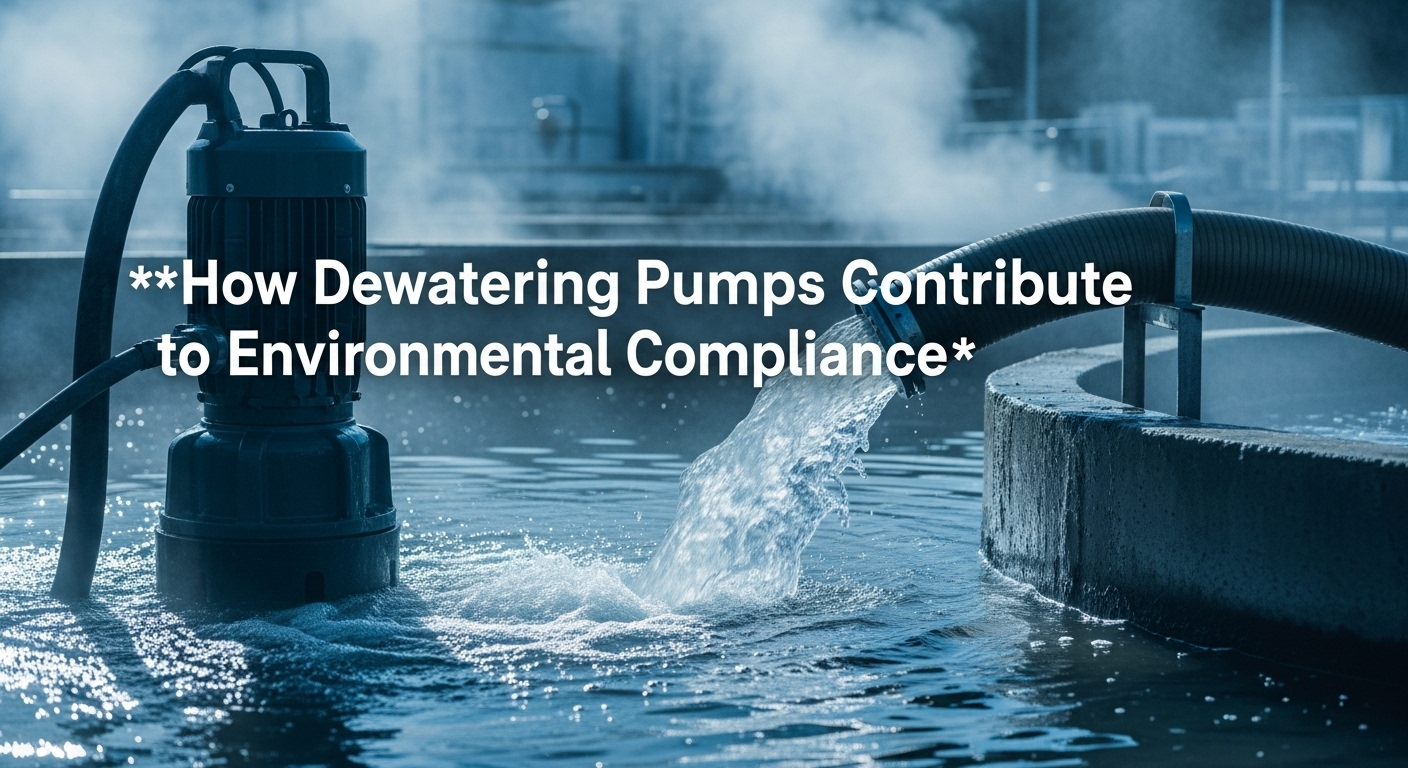
Dewatering technologies are integral in industries where water management is critical to both operational success and environmental stewardship. From construction sites to mining operations, the ability to efficiently manage water can dictate the environmental footprint of an industry. The submersible dewatering pump, known for its robust performance in submerged conditions, is at the forefront of this process, ensuring that water is handled in a manner that upholds stringent environmental standards.
Optimizing Water Management with Advanced Pump Technologies
Each industrial sector has its specific challenges and requirements for water management, necessitating a variety of dewatering solutions. Here, the functionality of pumps like the submersible pump 1 hp and the drainage pump comes into play, tailored to offer precision in water control with a focus on energy efficiency and reduced environmental impact.
Tailored Solutions for Diverse Industrial Needs:
- Mining Operations: Deep excavations and underground mines require robust pumping systems capable of handling high water volumes and maintaining dry working conditions. Submersible dewatering pumps engineered for abrasive slurry conditions with reinforced components withstand mining environments. Multiple pump configurations manage varying water inflow rates across different mine sections, ensuring comprehensive water control and preventing dangerous flooding conditions that could trap workers or damage expensive equipment.
- Construction Projects: Urban construction sites face unique dewatering challenges including limited space, proximity to buildings, and strict noise regulations. Quieter submersible pump installations require minimal surface infrastructure, protecting neighboring properties from water discharge impacts. Modular pump systems enable rapid reconfiguration as projects progress through different phases, from initial excavation to foundation work to superstructure construction.
- Agricultural Irrigation: Efficient water management in agriculture optimizes resource utilization while supporting food production. Submersible pump 1 hp units provide economical irrigation for smaller operations, reducing energy costs compared to larger systems. Solar-powered options enable off-grid operation in remote agricultural areas, supporting sustainable farming practices while improving productivity and crop yields.
- Industrial Processing: Manufacturing, chemical production, and food processing operations generate substantial water volumes requiring efficient management. Customized dewatering systems integrate seamlessly with existing infrastructure while meeting strict environmental discharge standards. Energy-efficient pump designs reduce operational costs and carbon footprints for water-intensive industries.
- Wastewater Treatment: Sewage sludge pumps and dewatering systems are essential components of municipal and industrial wastewater treatment. Efficient sludge handling reduces treatment facility burden while recovering valuable resources. Properly treated wastewater meeting discharge standards protects aquatic ecosystems and supports water recycling initiatives.
- Flood Control and Emergency Response: Rapid dewatering capability during flood events prevents property damage and enables faster community recovery. Portable submersible dewatering pumps deployed quickly can remove thousands of gallons per minute, protecting critical infrastructure and supporting emergency operations. Battery-powered backup systems maintain operation during power outages when grid power is unavailable.
Environmental and Regulatory Compliance Through Effective Dewatering Practices
Modern dewatering practices are not just about water removal; they are integrated approaches that consider the environmental impact of such activities. The use of sludge pumps and sewage sludge pumps in wastewater treatment underscores this point. By handling and treating sludge and sewage effectively, these pumps prevent the release of harmful pollutants into the ecosystem, aligning with both national and international environmental standards.
Advantages of Modern Dewatering Technologies:
- Reduced Environmental Footprint: Efficient dewatering minimizes water wastage and reduces energy consumption compared to traditional methods. Advanced pump technologies achieve 30-50% energy savings through improved hydraulics and smart operational controls. Lower energy consumption directly reduces greenhouse gas emissions associated with water management, supporting corporate sustainability goals and climate action commitments.
- Contamination Prevention: Modern dewatering systems include integrated treatment features preventing harmful substances from entering waterways. Sediment settlement basins and filtration systems remove suspended solids before discharge. Treated water meeting environmental standards protects aquatic life and maintains water quality for downstream users, preventing ecological damage and regulatory violations.
- Regulatory Compliance: Sophisticated dewatering systems ensure adherence to environmental regulations governing water discharge, sediment control, and pollutant limits. Real-time monitoring systems verify treatment effectiveness and maintain compliance documentation supporting audit requirements. Facilities demonstrating comprehensive environmental management enjoy improved permitting and community relations.
- Operational Efficiency: Optimized dewatering keeps work areas dry and safe, enabling consistent productivity and reducing weather-related delays. Efficient water management maintains project schedules and budgets while protecting worker safety. Reduced operational disruptions from flooding or water damage preserve equipment life and prevent costly emergency repairs.
- Cost Optimization: Efficient dewatering reduces operational expenses through lower energy consumption and reduced maintenance requirements. Preventive maintenance enabled by monitoring systems decreases emergency repair costs. Quick project completion through efficient water management reduces overhead and capital tied up in extended timelines.
- Data-Driven Management: IoT-enabled dewatering systems provide real-time performance data enabling optimization and predictive maintenance. Analytics identify efficiency improvements and equipment reliability issues before failures occur. Historical data supports project planning and equipment selection for future operations.
Understanding Dewatering Pumps and Their Importance
Dewatering pumps are designed to remove excess water from areas where it may hinder operations or cause damage. Among these, the submersible pump is particularly valued for its ability to operate efficiently under water, making it indispensable in scenarios ranging from simple water transfers to complex flood control projects.
Types of Dewatering Pumps and Their Specific Uses
- Submersible Dewatering Pumps: Operating completely submerged, these pumps handle large water volumes and operate efficiently in deep water conditions. Sealed motor designs protect electrical components from water exposure. Typical applications include excavation dewatering, basement flooding, and mine water removal. Flow rates range from 50 to 500+ gallons per minute depending on model and power rating, enabling flexible deployment across varied project scales.
- Centrifugal Dewatering Pumps: Suitable for clean or slightly contaminated water removal, centrifugal pumps deliver high flow rates for surface water management. Compact, portable designs enable rapid repositioning as dewatering needs change. Ideal for construction sites, landscape drainage, and flood control where surface water accumulation requires efficient removal.
- Trash Pumps: Engineered to handle water containing solids and debris, trash pumps feature larger passages and robust components tolerating abrasive materials. Essential in demolition sites, aggregate washing operations, and heavily contaminated water conditions. Larger diameter passages prevent clogging from debris that would disable standard pumps.
- Submersible Sludge Pumps: Specialized for handling thick, viscous sludges in wastewater treatment and industrial processing. High-torque motors and oversized passages accommodate dense materials with high solid concentrations. Critical in treatment plants managing biological sludges, industrial waste streams, and sediment removal operations.
- Drainage Pumps: Compact, efficient pumps for general water removal and drainage applications. Flexible capacity options from 1 hp to 20+ hp models accommodate projects from small residential basements to large industrial facilities. Variable discharge configurations enable strategic placement optimizing water collection efficiency.
- High-Capacity Industrial Pumps: Heavy-duty systems engineered for mining operations, large construction projects, and industrial facilities requiring sustained high-volume dewatering. Multi-stage designs enable operation against high discharge pressures for long-distance conveyance. Redundant systems ensure continuous operation capability despite individual unit maintenance or failure.
The Role of Dewatering Pumps in Environmental Compliance
Effective water management is a critical component of environmental compliance. Dewatering pumps play a pivotal role in preventing ecological degradation by efficiently managing site water in compliance with environmental regulations.
Key Contributions to Environmental Compliance:
- Erosion Prevention: Controlled water removal prevents soil erosion that would expose unstable areas and cause sediment pollution in waterways. Proper dewatering maintains site stability protecting both project integrity and surrounding ecosystems. Erosion control measures integrated with dewatering systems prevent sediment loading in streams and groundwater contamination.
- Sediment Management: Dewatering systems incorporating sediment basins and filtration remove suspended particles before water discharge. Settled sediments are managed according to regulatory requirements, often being reused for site fill or properly disposed in approved facilities. Clean discharge water meeting environmental standards protects aquatic ecosystems and prevents water quality degradation.
- Pollutant Removal: Advanced treatment systems integrated with dewatering remove contaminants including heavy metals, petroleum products, and chemical residues. Activated carbon filtration, precipitation systems, and biological treatment remove hazardous substances that would otherwise pollute receiving waters. Treated water often meets reuse standards enabling beneficial applications including dust suppression.
- Water Recycling: Modern dewatering operations recover and reuse treated water reducing freshwater consumption and wastewater discharge volumes. On-site water recycling for dust suppression, concrete production, and equipment cleaning conserves precious water resources. Reduced discharge volumes minimize environmental stress on receiving waters and support sustainability objectives.
- Regulatory Documentation: Comprehensive monitoring and reporting demonstrate compliance with environmental permits and regulations. Automated systems provide continuous data on discharge rates, quality parameters, and treatment effectiveness. Documentation supporting regulatory audits and environmental reporting requirements reduces compliance risks and potential penalties.
- Community Engagement: Responsible dewatering practices maintaining environmental standards build community support and improve stakeholder relations. Transparent communication regarding water management activities demonstrates environmental stewardship. Effective operations preventing water quality degradation and flooding protect neighboring properties and maintain positive community relationships.
Advanced Applications in Industry
Each industry presents unique challenges that require specific dewatering solutions, underscoring the versatility and necessity of these pumps in modern industrial applications.
Mining
In mining, submersible dewatering pumps are essential for maintaining dry and stable conditions in pits and tunnels. They help mitigate the risk of flooding, which can lead to significant operational disruptions and safety hazards. Underground water ingress requires continuous pumping to maintain safe working conditions and protect equipment. Open pit mining demands high-capacity dewatering managing groundwater inflow while controlling water quality before discharge. Tailings management involves pumping large volumes of slurry and processing water requiring robust, specialized equipment. Proper dewatering maintains pit stability preventing dangerous collapses while enabling safe ore extraction and worker protection.
Construction
During construction projects, especially in urban areas, managing water efficiently is crucial to prevent delays and structural failures. Submersible pumps and drainage pumps are extensively used to keep excavation sites dry and safe. Foundation work requires dewatering maintaining conditions enabling proper concrete curing and structural integrity. High water tables in some regions necessitate continuous pumping throughout construction phases. Basement and underground parking garage construction demands reliable dewatering preventing water intrusion compromising structural longevity. Proper dewatering maintains project schedules and budgets while protecting worker safety and structural quality.
Agriculture
For agriculture, efficient water management ensures that water resources are used sustainably. Submersible pump 1 hp units are often used in smaller irrigation requirements to optimize water usage and prevent wastage. Drainage systems remove excess water from poorly drained fields improving soil conditions and crop productivity. Irrigation systems utilizing efficient submersible pumps deliver water where needed while minimizing evaporative losses. Sustainable agricultural practices increasingly rely on efficient water management supporting both productivity and environmental stewardship. Solar-powered submersible pumps enable off-grid agricultural operations in remote areas while reducing energy costs and carbon emissions.
Environmental Benefits and Sustainability
The integration of dewatering pumps in industrial operations brings significant environmental benefits, promoting sustainability and compliance with stringent regulations.
Sustainability Impacts:
- Energy Efficiency: Modern dewatering pumps consume 30-50% less energy than conventional systems through advanced motor design, optimized hydraulics, and variable frequency drives. Lower energy consumption directly reduces carbon emissions supporting climate action goals. Energy-efficient operations reduce operational costs improving project economics while supporting environmental objectives. Renewable energy integration enables zero-emission dewatering operations particularly valuable for remote locations.
- Water Conservation: Efficient dewatering practices minimize water wastage through treatment and recycling. Treated water reuse for dust suppression, concrete production, and equipment cleaning reduces freshwater consumption. Wastewater discharge volume reduction decreases environmental stress on aquatic ecosystems. Water recycling initiatives support global freshwater conservation goals addressing growing water scarcity challenges.
- Habitat Protection: Controlled water management prevents uncontrolled discharge damaging aquatic habitats. Sediment control prevents turbidity degrading water quality and threatening aquatic species. Proper treatment removes contaminants protecting sensitive ecosystems. Environmental compliance ensures operations align with habitat protection requirements preserving biodiversity.
- Carbon Footprint Reduction: Efficient dewatering systems reduce carbon emissions through lower energy consumption and reduced operational timelines. Energy-efficient pumps and renewable energy integration eliminate fossil fuel reliance. Shorter project durations reduce overhead and equipment operation reducing cumulative carbon emissions. Sustainability reporting demonstrates corporate environmental responsibility supporting ESG goals.
- Soil and Groundwater Protection: Proper dewatering prevents soil degradation and groundwater contamination from uncontrolled water discharge. Sediment and pollutant removal protect subsurface water quality. Controlled dewatering maintains soil stability preventing erosion and contamination. Groundwater protection ensures long-term water resource viability for communities and ecosystems.
- Circular Economy Support: Resource recovery from dewatering operations enables circular economy principles. Settled sediments reused for construction fill reduce landfill disposal. Treated water recycled for beneficial uses reduces freshwater consumption. Sustainable dewatering practices minimize waste while maximizing resource recovery and utilization.
Future Trends and Innovations
The future of dewatering technology looks promising, with ongoing advancements aimed at increasing efficiency, reducing environmental impact, and enhancing operational flexibility.
Innovations on the Horizon:
- AI-Powered Optimization: Artificial intelligence systems will analyze dewatering operations automatically optimizing pump speed, timing, and configuration based on real-time conditions. Machine learning algorithms will identify efficiency improvements and predict maintenance needs. Autonomous operation will reduce manual intervention while improving performance and reducing energy consumption.
- Advanced Materials: Next-generation composite and ceramic materials will provide superior corrosion resistance, reduced friction, and extended component lifespan. Lightweight composites will enable stronger, more efficient pump designs. Self-cleaning surfaces will resist fouling and scaling maintaining efficiency throughout operational life without degradation.
- Smart Monitoring Systems: IoT sensors will provide comprehensive real-time monitoring of dewatering performance, water quality, and environmental parameters. Predictive analytics will identify equipment issues before failures occur enabling proactive maintenance. Cloud platforms will centralize data from multiple sites enabling comparative analysis and optimization.
- Integrated Treatment Technology: Advanced dewatering systems will incorporate filtration, chemical treatment, and biological processes enabling comprehensive water treatment. On-site treatment will enable water recycling for beneficial uses reducing freshwater consumption. Modular treatment systems will adapt to varying water quality and discharge requirements.
- Renewable Energy Integration: Solar and wind-powered dewatering systems will enable zero-emission operations. Hybrid renewable systems with battery storage will provide reliable operation independent of weather conditions. Energy independence will reduce operational costs while supporting sustainability objectives.
- Robotics and Automation: Autonomous dewatering systems will operate with minimal human intervention. Remote operation capabilities will enable safe management of hazardous environments. Robotic intake and discharge management will optimize system performance and safety.
- Blockchain Supply Chain: Distributed ledger technology will track water management activities and environmental compliance from source to discharge. Transparent documentation will improve regulatory accountability and environmental verification. Blockchain verification will support environmental certification and sustainable procurement requirements.
Conclusion
Dewatering pumps are more than just equipment; they are a critical component of modern environmental management strategies. By enhancing efficiency, ensuring compliance with environmental regulations, and promoting sustainability, these pumps play a crucial role in supporting the global shift towards sustainable industrial practices.
From mining operations maintaining safe underground conditions to construction projects protecting worker safety and structural integrity, from agricultural irrigation supporting food production to wastewater treatment protecting aquatic ecosystems, dewatering technology serves essential functions across industries.
As industries continue to evolve and environmental pressures intensify, the strategic adoption of advanced dewatering technologies will be vital in navigating the challenges of environmental stewardship and operational efficiency. Modern submersible pumps, drainage systems, and specialized dewatering equipment enable responsible industrial development meeting both business objectives and environmental protection goals.
Facilities and projects that embrace efficient, environmentally responsible dewatering practices gain competitive advantages through reduced operating costs, improved project schedules, and enhanced community and regulatory relationships. Investment in advanced dewatering technologies represents a commitment to sustainable industrial practices positioning organizations for long-term success in an increasingly environmentally conscious market.