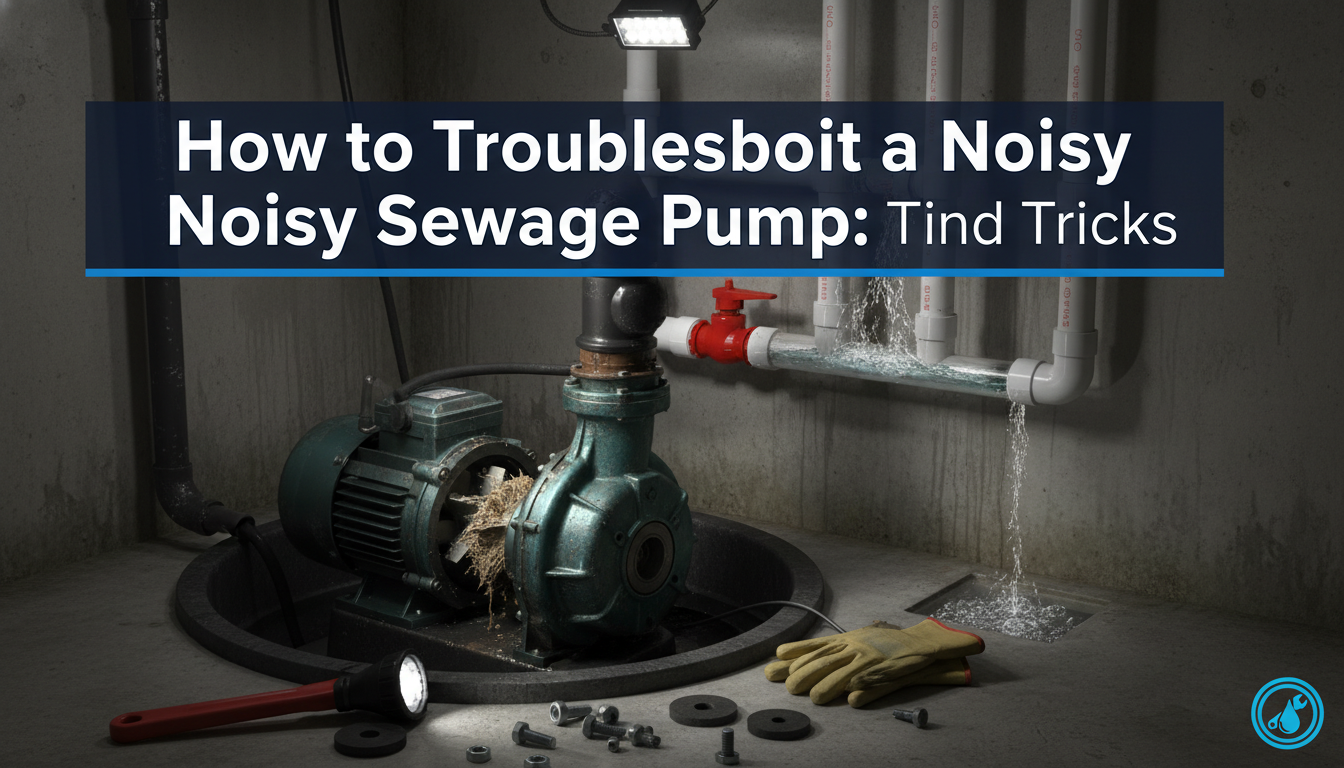
Troubleshooting Guide: Why Your Sewage Pump Is Making Noise and How to Fix It
If you've ever heard strange noises coming from your sewage pump or submersible pump, it can be unsettling and concerning about potential system failure. These pumps are vital for moving waste or water away from homes, buildings, and construction sites, and a sudden unusual noise might be the first sign that something's wrong with your sewage pump system. Luckily, many common noise problems with sewage pumps are fixable if you know what to look for and how to troubleshoot effectively.
In this comprehensive guide, we'll walk through common causes of noisy sewage pumps, provide detailed step-by-step troubleshooting techniques, and offer practical tips for preventive maintenance. Whether you're dealing with a submersible sewage pump, sludge pump, cutter pump sewage, or dewatering pump, you'll find practical advice here. We'll also cover when it's time to replace your sewage pump and what to look for in the best submersible pump for your specific wastewater management needs.
Common Causes of Noisy Sewage Pumps
A noisy sewage pump or submersible pump often points to mechanical issues, improper installation problems, or internal clogs affecting performance. Understanding the root cause of sewage pump noise is the first step toward effective troubleshooting. Here are some of the most common reasons your sewage pump may be making disturbing noise.
1. Vibration Issues in Sewage Pump Systems
One of the most frequent causes of noise in a submersible water pump or submersible sewage pump is excessive vibration during operation. Vibration problems in your sewage pump can occur due to improper installation or loose bolts and fasteners throughout the system. When a sewage pump isn't securely mounted on stable ground, the vibrations of the motor and other moving parts can cause rattling, banging, or humming sounds that indicate installation issues with your sewage pump.
2. Blocked or Clogged Impellers
Impellers inside your sewage pump move water or waste efficiently, and when debris blocks or damages them, you might hear grinding or scraping noises from your pump. Submersible sewage pumps are particularly susceptible to clogs from solids and organic material, making regular cleaning and inspection of the sewage pump impeller absolutely important. A clogged impeller dramatically affects sewage pump performance and creates distinctive noise patterns.
3. Worn-Out Bearings or Motor Components
A submersible pump 1 hp or submersible pump 1.5 hp typically uses bearings that can wear out over time with extended operation. When bearings in your sewage pump deteriorate, you'll hear whining, screeching, or grinding noises coming from the motor and internal components. If your sewage sludge pump or slurry pump is making these distinctive noises, worn bearings in the sewage pump may be the primary cause of the problem.
4. Water Hammer or Check Valve Noise
The check valve prevents water from flowing back into your sewage pump, but if it's faulty or poorly installed, it can cause loud banging or knocking sounds throughout your system. This phenomenon is known as water hammer and is common in submersible sump pumps or drainage pumps when check valves malfunction. A faulty check valve dramatically affects sewage pump operation and creates concerning noise in your wastewater system.
5. Air Lock or Cavitation in Sewage Pump
Air pockets trapped inside your sewage pump system can cause a gurgling or bubbling sound, a problem known as cavitation affecting pump efficiency. This often happens in submersible dewatering pumps or slurry pumps, particularly those used in dewatering pumps for construction and industrial applications. Cavitation in a sewage pump reduces efficiency and creates unusual noise patterns requiring attention.
Step-by-Step Troubleshooting Tips for a Noisy Sewage Pump
Now that we've identified common causes of noise in your sewage pump, let's dive into practical steps on how to troubleshoot and fix them effectively. Follow these troubleshooting procedures to diagnose and resolve sewage pump noise issues.
Step 1: Check the Installation of Your Sewage Pump
Poor installation is a major cause of noise in submersible water pumps, sewage pumps, and dewatering pumps throughout wastewater systems. If your sewage pump isn't securely fastened to proper mounting surfaces, vibrations can cause it to rattle and create excessive noise. Inspect all mounting bolts and fasteners on your sewage pump to ensure they are tight and secure. Check that your sewage pump is installed on a stable, level surface free of debris. Verify that all connection points of the sewage pump are properly aligned and secured. Look for any loose pipes or discharge lines connected to your sewage pump that could vibrate. Tighten any loose bolts or connections on your sewage pump. Test sewage pump operation to confirm noise reduction after securing all components.
Step 2: Examine the Check Valve
The check valve is often the culprit when you hear loud banging or knocking from your submersible sump pump or cutter pump sewage system. A faulty check valve significantly impacts sewage pump performance. Locate the check valve on your sewage pump discharge line carefully. Listen for any unusual noises coming specifically from the check valve area. Remove the check valve from your sewage pump system and inspect it for damage or debris. Test the check valve flapper to confirm it moves freely on your sewage pump. Clean the check valve if you find debris inside affecting sewage pump operation. Replace the check valve if it's damaged or not functioning properly on your sewage pump. Reinstall the new check valve ensuring proper flow direction for your sewage pump system.
Step 3: Clean or Replace the Impeller
The impeller is a key working part of any submersible sewage pump or submersible slurry pump, and it can become clogged or damaged over time with use. A clogged impeller severely affects sewage pump performance and creates grinding noises. Turn off power to your sewage pump completely before any maintenance. Disconnect your sewage pump from its installation location carefully. Remove the impeller cover or housing on your sewage pump to access the impeller. Inspect the impeller for debris, buildup, or physical damage affecting sewage pump operation. Clean the impeller thoroughly with water and a soft brush to remove accumulated debris from your sewage pump. Check that the impeller spins freely after cleaning your sewage pump. Replace the impeller if it's cracked or severely damaged on your sewage pump. Reassemble your sewage pump and test operation.
Step 4: Inspect the Motor and Bearings
If your submersible pump 1.5 hp or sewage sludge pump is making a whining or screeching noise, it may be due to worn-out bearings or motor components deteriorating over time. Check your sewage pump for bearing wear by listening for high-pitched sounds. Feel the sewage pump motor housing to check for unusual vibration or heat buildup. Consult your sewage pump manual for recommended bearing maintenance procedures. Contact a professional technician if you suspect worn bearings on your sewage pump. Have bearings professionally replaced if they're causing noise in your sewage pump system. Install anti-vibration mounts to reduce bearing noise on your sewage pump.
Step 5: Check for Air Locks or Cavitation
If your submersible dewatering pump or slurry pump is making a bubbling or gurgling sound, it may be suffering from cavitation affecting efficiency. Air locks in a sewage pump reduce performance significantly. Check that your sewage pump is properly submerged in water during operation. Verify that the intake line is fully primed with water before starting your sewage pump. Look for air leaks in suction lines connected to your sewage pump. Tighten any loose connections on your sewage pump intake line. Bleed air from the system using the air release valve on your sewage pump if available. Ensure proper water level in the basin for your submersible sewage pump. Test sewage pump operation to confirm cavitation issues are resolved.
Step 6: Assess for Water Hammer
If you're hearing loud banging noises from your sewage pump, it's possible your system is experiencing water hammer. Water hammer is a common problem with cutter pump sewage systems or drainage pumps. Install a water hammer arrestor on your sewage pump discharge line. Adjust the pressure relief valve on your sewage pump system. Reduce the discharge velocity of your sewage pump by checking valve settings. Install a cushioning device on your sewage pump line. Have a professional inspect your sewage pump system for water hammer issues.
Step 7: Call a Professional Technician
If you've gone through all these troubleshooting steps and your sewage pump or sludge pump is still noisy, it might be time to call a professional for expert assistance. A qualified technician can perform a more thorough inspection of your sewage pump. Professional services can identify issues difficult to diagnose with your sewage pump. A technician can repair or replace parts that are difficult to access on your sewage pump. Professional repair ensures your sewage pump warranty remains valid. Expert help prevents additional damage to your sewage pump system.
Preventive Maintenance to Avoid Future Noise Problems
Preventive maintenance is absolutely key to keeping your submersible sewage pump, dewatering pump, or submersible slurry pump operating smoothly and quietly throughout its service life. Regular maintenance of your sewage pump prevents noise issues before they develop. Here are essential maintenance tips to help you avoid noise problems in your sewage pump system in the future.
1. Regular Inspection and Cleaning
For any submersible pump, submersible agitator pump, or sewage sludge pump, regular inspection and cleaning are absolutely essential for reliable operation. Inspect your sewage pump monthly for signs of wear or damage. Clean the intake screen on your sewage pump regularly to prevent clogs. Check discharge pipes connected to your sewage pump for blockages. Remove debris from around your sewage pump installation area. Monitor sewage pump performance and note any changes. Record all maintenance activities performed on your sewage pump system. Schedule annual professional inspections of your sewage pump.
2. Lubricate Moving Parts
If you have a submersible pump 1 hp or dewatering pump 1 hp, it's important to keep its moving parts properly lubricated for smooth operation. Check your sewage pump manual for lubrication recommendations. Apply lubricant to specified moving parts on your sewage pump. Use only recommended lubricants for your specific sewage pump model. Wipe excess lubricant from your sewage pump after application. Never over-lubricate moving parts on your sewage pump. Schedule regular lubrication maintenance for your sewage pump system.
3. Install Anti-Vibration Pads
To reduce noise caused by vibrations, consider installing anti-vibration pads under your slurry pump, single phase submersible pump, or submersible drainage pump system. Anti-vibration pads significantly reduce operating noise from your sewage pump. These specialized pads help absorb shock and vibration from your sewage pump. Anti-vibration pads prevent the sewage pump from rattling against mounting surfaces. Properly installed pads enhance sewage pump performance and reduce stress. Multiple pads may be needed for optimal noise reduction on your sewage pump installation.
4. Check Electrical Connections
A submersible sewage pump relies on secure and functional electrical connections for safe, reliable operation. Regular electrical checks prevent problems with your sewage pump. Inspect electrical connections on your sewage pump monthly for corrosion. Tighten any loose electrical connections on your sewage pump. Check for water infiltration in electrical junction boxes on your sewage pump. Replace corroded electrical connectors on your sewage pump immediately. Have a professional electrician inspect your sewage pump electrical system annually. Ensure proper grounding of your sewage pump system for safety.
5. Schedule Professional Servicing
Even the best submersible pump requires professional maintenance from time to time for optimal performance. Schedule regular service calls with a qualified technician, especially for specialized sewage pumps, sludge pump manufacturers' products, or dewatering pump manufacturers' equipment, to ensure that your sewage pump system stays in excellent working order for years to come.
When to Replace Your Sewage Pump
Despite your best efforts at maintenance, there comes a time when you'll need to replace your sewage sludge pump, submersible sump pump, or dewatering pump completely. Understanding when replacement is necessary prevents system failures. Here are some important signs that your sewage pump may be beyond repair and needs replacement.
1. Signs of Irreparable Damage
If your submersible sewage pump is consistently noisy, inefficient, or frequently clogs, it may be time for a complete replacement of your system. Other signs indicating your sewage pump needs replacement include continuous leaks from your sewage pump housing. Frequent breakdowns of your sewage pump requiring repeated repairs. Significant loss of pumping power or flow rate from your sewage pump. Age of your sewage pump exceeding manufacturer recommendations. Rust or corrosion damage visible on your sewage pump body. Electrical problems persistent despite professional repair attempts on your sewage pump. Unusual vibration continuing even after troubleshooting your sewage pump.
2. Selecting the Right Replacement Sewage Pump
When it's time to buy a new sewage pump, consider several important factors to ensure you get the best submersible pump for your specific needs. Calculate the required flow rate for your sewage pump based on household or business wastewater volume. Determine the total head height your new sewage pump must lift wastewater. Assess your electrical system capacity for the new sewage pump power requirements. Consider upgrading to a higher-capacity sewage pump if demand has increased. Choose a sewage pump with improved energy efficiency features. Select a sewage pump with better noise reduction technology if that's important. Verify compatibility with your existing wastewater system for your new sewage pump. Compare warranties offered on different sewage pump models available.
Conclusion: Keep Your Sewage Pump Running Smoothly
Noisy sewage pumps can be frustrating, but with the right knowledge and troubleshooting approach, you can effectively address many common issues with submersible water pumps, dewatering pumps, and sludge pumps. From checking the installation properly to cleaning the impeller thoroughly, these practical tips will help you keep your sewage pump running smoothly and quietly for reliable operation.
Don't forget that regular maintenance is absolutely key to preventing noise problems and system failures in your sewage pump in the future. When in doubt about sewage pump repairs, consult a professional technician for more advanced troubleshooting, repairs, or complete replacements of your system.
By following these comprehensive guidelines, you'll ensure that your submersible dewatering pump, submersible agitator pump, or cutter pump sewage system performs reliably and quietly for many years to come, protecting your property and wastewater management system investment.