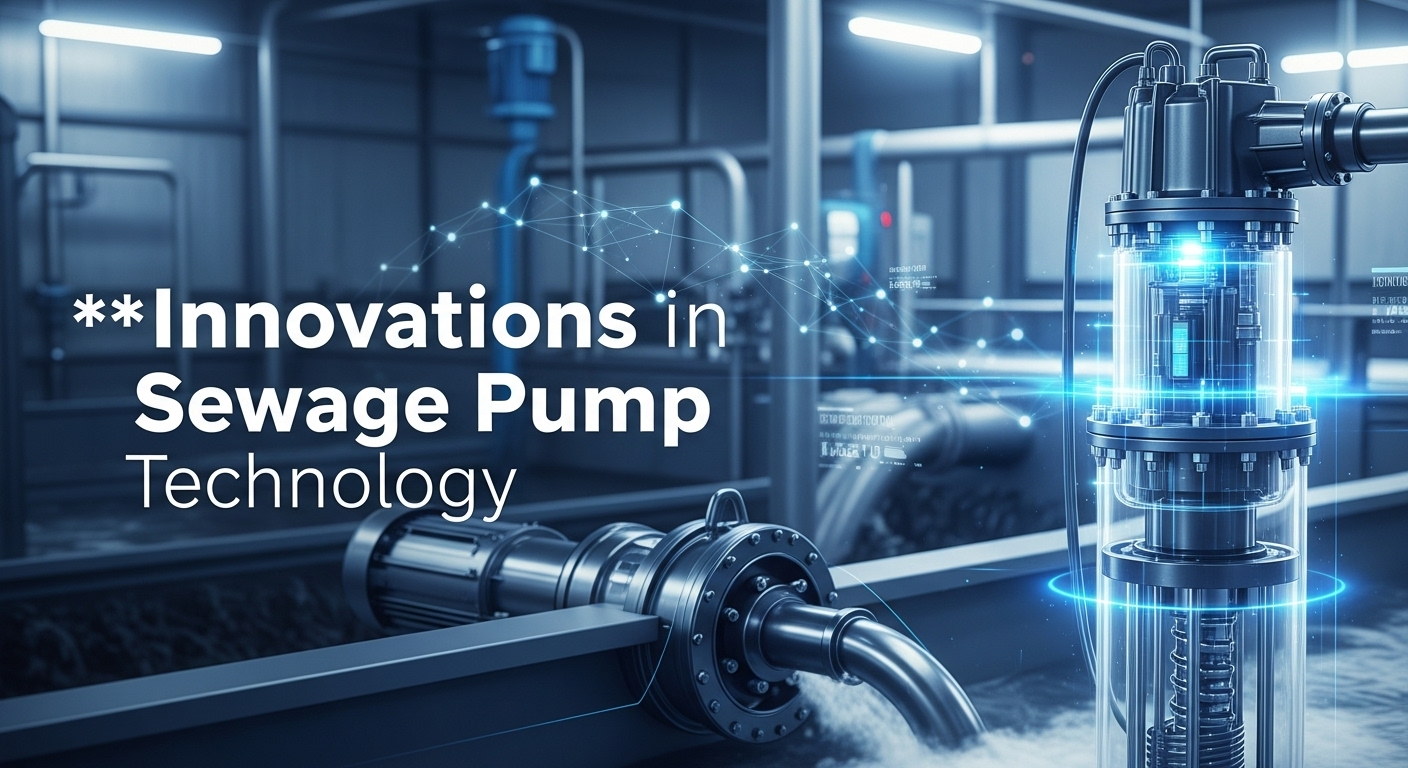
Innovative Sewage Pump Technology: Revolutionizing Wastewater Management in Urban Areas
In our rapidly urbanizing world, managing wastewater efficiently is more crucial than ever for maintaining public health and environmental quality. Innovative sewage pump technology is pivotal in tackling the complex challenges posed by increased urban density and stringent environmental regulations affecting municipalities. With significant advancements in submersible pump designs and intelligent smart technology integration, the wastewater management industry is poised to overcome contemporary challenges, providing sustainable, efficient, and reliable sewage pump solutions that meet the demands of modern societies and urban centers worldwide.
The Evolution of Submersible Pump Technology in Wastewater Management
Submersible pumps have transformed the way we manage sewage by offering innovative designs that ensure exceptional durability and high performance in harsh, corrosive wastewater environments. Today's submersible pump 1 hp and submersible pump 1.5 hp models are engineered with robust, corrosion-resistant materials that extend their operational lifespan significantly and enhance their efficiency for sewage applications. These advanced pumps are integral to modern wastewater management systems, capable of handling everything from raw sewage to thick slurry with minimal maintenance requirements.
The design innovations in sewage pump technology don't stop at durability improvements. Modern submersible water pump and dewatering pump models incorporate advanced hydraulic engineering and cutting-edge materials science to improve energy efficiency and operational reliability for wastewater systems. For instance, the latest sewage pump models include innovative features such as vortex impellers that prevent clogging and reduce the maintenance burden significantly, making them some of the best submersible pump solutions available on the market today for efficient wastewater management.
Integration of Smart Technologies in Sewage Pump Systems
The rise of the Internet of Things (IoT) has heralded a transformative new era for sewage pump technology, with the integration of intelligent sensors and advanced controls that enhance functionality and predictive maintenance capabilities. These innovative smart sewage pumps are equipped with sophisticated sensors that can detect a wide range of operational issues from blockages to low oil levels, thereby preventing damage and costly downtime in your wastewater system. This smart integration not only improves sewage pump performance significantly but also contributes to environmental sustainability by optimizing energy use and reducing waste.
Variable frequency drives (VFDs) represent another major technological advancement enhancing sewage pump efficiency and performance. VFDs intelligently adjust the motor speed based on demand fluctuations, significantly reducing energy consumption without sacrificing pump performance in sewage applications. This innovative feature is particularly beneficial in specialized applications such as dewatering pumps for construction sites, where variable flow rates are required for efficient and reliable water removal operations.
Revolutionary Treatment Technologies in Wastewater Systems
Beyond sewage pump technology itself, innovations in wastewater treatment processes are making significant environmental strides. Biological treatment technologies, such as advanced BioFiltro systems, use natural biological processes involving beneficial worms and microbes to remove contaminants efficiently from wastewater. These innovative biological sewage treatment systems not only purify wastewater effectively but also produce valuable byproducts like worm castings, which can be reused as organic fertilizer for sustainable agricultural applications.
Another groundbreaking technology in the fight against environmental pollution is the specialized treatment of per-and polyfluoroalkyl substances (PFAS), often referred to as persistent forever chemicals in environmental contamination. Innovative companies are developing chemical-free methods to break down these stubborn contaminants in sewage systems, such as using ultraviolet light for reductive defluorination, which effectively dismantles PFAS molecules and converts them into harmless compounds safe for environmental discharge.
The Impact on Environmental Sustainability and Climate Goals
The environmental impact of these sewage pump technology advancements cannot be overstated or overlooked. By enhancing the efficiency and effectiveness of wastewater treatment processes, these innovations help reduce the ecological footprint of urban development significantly. Energy-efficient sewage pumps and advanced wastewater systems not only lower operational costs for municipalities but also contribute meaningfully to climate change mitigation efforts by reducing greenhouse gas emissions from pumping operations.
Furthermore, the adoption of advanced technologies like variable frequency drives and intelligent sensors in submersible sewage pump and sludge pump systems aligns directly with global sustainability goals, promoting responsible water and energy use. These innovative sewage pump technologies ensure that wastewater treatment processes are not only more efficient operationally but also less detrimental to the environment and natural ecosystems worldwide.
Challenges and the Road Ahead for Sewage Pump Innovation
Despite the promising advancements in sewage pump technology, the wastewater management sector faces several significant challenges that must be addressed. The high initial capital costs of advanced sewage pump and cutter pump sewage systems can be a substantial barrier to widespread adoption, especially in developing regions with limited municipal budgets. Additionally, the complexity of new sewage pump technologies demands skilled technicians and experienced operators, highlighting the critical need for comprehensive training and education programs in wastewater management.
Looking forward, the sewage pump industry is likely to see increased integration of artificial intelligence and IoT technology in pump designs, further enhancing the capabilities of single phase submersible pumps, drainage pumps, and other specialized equipment for wastewater applications. These future developments in sewage pump technology will likely focus on advanced predictive analytics, remote monitoring capabilities, and fully automated control systems, pushing the boundaries of what is currently possible in modern wastewater management systems.
Conclusion: The Future of Innovative Sewage Pump Technology
The innovations in sewage pump technology are not just enhancing the efficiency and effectiveness of wastewater management; they are fundamentally revolutionizing it. As we continue to face global environmental challenges and urban population growth pressures, the importance of adopting and continuously advancing sewage pump technologies cannot be understated. Through continued innovation, collaboration, and investment in sewage pump research and development, we can ensure a sustainable, efficient, and effective future for wastewater management across the globe.
These significant advancements in sewage pump technology illustrate a clear and promising path forward for urban infrastructure development and environmental sustainability initiatives worldwide. By embracing these innovative sewage pump solutions and smart technologies, cities and communities can tackle today's complex wastewater challenges effectively and prepare comprehensively for a more sustainable and environmentally responsible tomorrow.