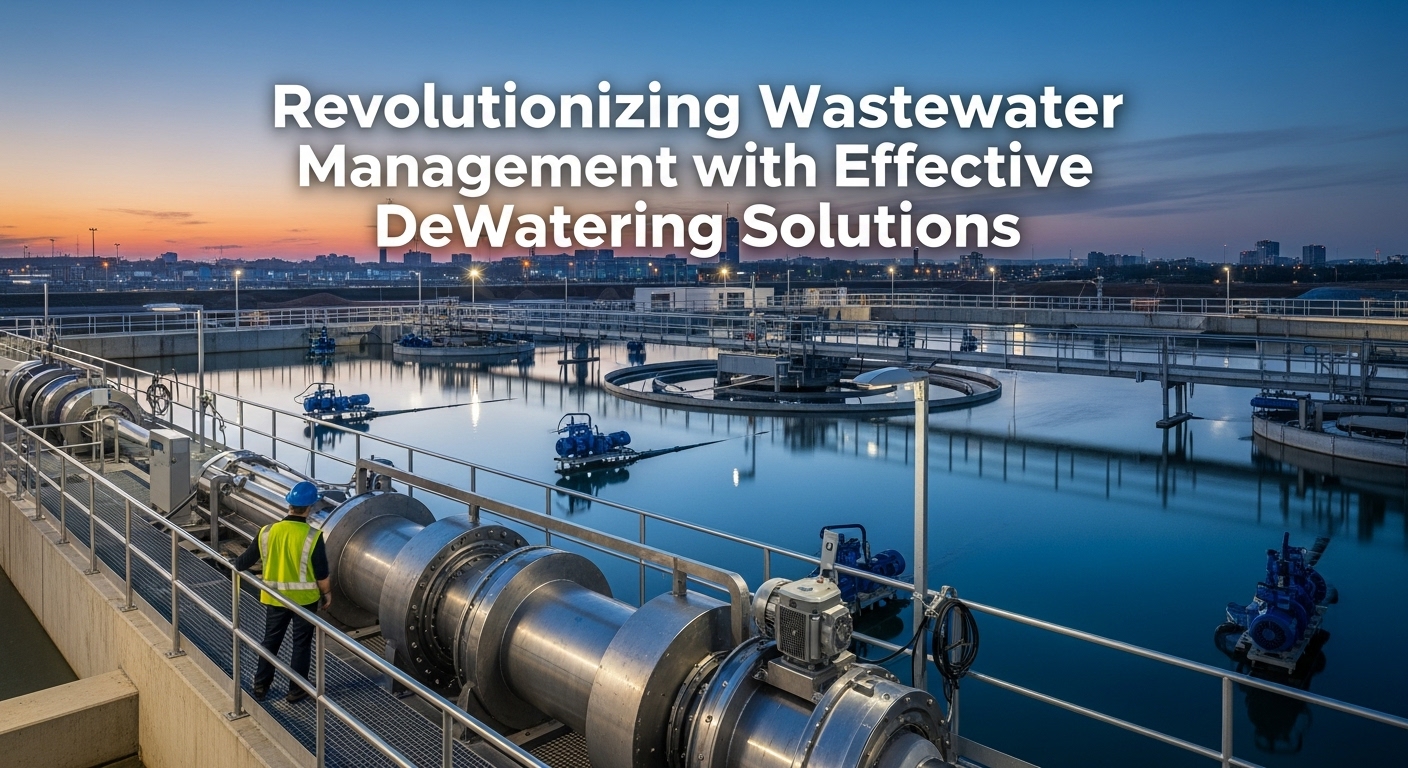
Advanced Dewatering Technologies Revolutionizing Wastewater Management Solutions
In today's world, effective wastewater management is a critical challenge that urban planners and environmental engineers face due to rapid urbanization and increasingly stringent environmental regulations. Efficiently handling and treating wastewater has become essential to prevent pollution and protect vital water resources for communities worldwide. Among the various technologies and innovative solutions available for wastewater treatment, dewatering pumps play a pivotal and irreplaceable role. These specialized systems are instrumental in the process of removing water or significantly reducing the water content in sludge, thereby transforming hazardous waste into a manageable form. This comprehensive guide delves into how recent innovations in dewatering technologies are revolutionizing wastewater management practices, offering sustainable, cost-effective, and environmentally responsible solutions for municipalities and industries.
Technological Innovations Transforming the Dewatering Industry
The traditional methods of managing wastewater often involved significant manual labor, high operational costs, and were not always environmentally friendly or sustainable. However, the advent of modern dewatering technologies has fundamentally transformed these practices, making them more efficient, reliable, and environmentally responsible. Two significant advancements in dewatering technology stand out prominently: the Rotary Press and the submersible dewatering pump, both offering revolutionary improvements to wastewater treatment processes.
The Rotary Press represents a significant leap forward in dewatering technology for wastewater management. It simplifies the separation of solids from liquids, dramatically reducing the overall volume and weight of waste requiring disposal. This innovative dewatering technology operates with exceptional efficiency, producing a dryer cake of solid waste material, which means substantially lower disposal costs and reduced environmental impact. Its operational simplicity and significantly lower maintenance requirements make it a favorable alternative to older dewatering systems like belt presses, which often require extensive maintenance and constant operator monitoring.
On the other hand, submersible pumps have gained considerable popularity for their robust performance in various dewatering applications throughout the wastewater industry. Particularly, the submersible sewage pump is specifically designed to handle raw sewage, pumping it efficiently from residential and commercial sites to centralized treatment facilities. This type of specialized dewatering pump is crucial for preventing the accumulation of waste materials that can lead to hazardous environmental situations and public health concerns.
Advanced Dewatering Systems and Specialized Equipment
The evolution of dewatering equipment has been marked by the development of highly specialized pumps that cater to specific needs within the wastewater treatment process. For instance, the submersible pump 1 hp is commonly used in small to medium-scale dewatering applications, offering an efficient and economical solution for pumping wastewater from residential and small industrial facilities. Its compact size and exceptional efficiency make it ideal for residential buildings or smaller industrial sites requiring reliable dewatering solutions.
For larger scale dewatering operations, the sludge pump and drainage pump are essential specialized equipment. These advanced pumps are designed to handle substantial volumes of sludge and water respectively, with high durability and exceptional resistance to wear even under the most challenging conditions. Their ability to operate effectively in diverse dewatering settings—from heavily contaminated industrial sites to emergency flood-relief activities—demonstrates their remarkable versatility and critical role in modern wastewater management infrastructure.
The integration of these dewatering technologies has not only improved the efficiency of wastewater treatment but has also had significant positive environmental impact. By reducing the overall volume of waste and enhancing the treatment process, these dewatering innovations contribute to cleaner water bodies, less pollution, and a demonstrably healthier environment for all communities.
Environmental Benefits of Advanced Dewatering Technologies
One of the most notable environmental impacts of these innovative dewatering technologies is the substantial reduction in the use of chemicals for treating wastewater. Traditional dewatering methods often rely heavily on chemical treatments to reduce the volume and toxicity of wastewater requiring disposal. For example, with the introduction of the cutter pump and other similar submersible sewage pumps in dewatering systems, physical cutting and grinding of solids allow for a more natural biological decomposition process, which significantly reduces the need for chemical additives.
Moreover, advanced dewatering systems like the Rotary Press and submersible dewatering pumps significantly decrease the overall ecological footprint of wastewater management operations. These innovative dewatering systems increase the efficiency of water purification and recycling processes, ensuring that less untreated wastewater is released into the environment. This environmental benefit not only helps in preserving natural water bodies but also contributes meaningfully to the conservation of aquatic life by reducing pollution from wastewater discharge.
Decentralized dewatering treatment systems, including those that utilize constructed wetlands and advanced natural filtration, further exemplify the shift towards environmentally friendly wastewater management. These innovative dewatering systems use natural processes to treat wastewater, thereby minimizing energy use and carbon emissions associated with traditional centralized wastewater treatment plants.
Economic Impact of Dewatering Technology Implementation
The economic implications of adopting advanced dewatering technologies are equally significant for municipalities and industrial facilities. By optimizing the dewatering process, these innovative technologies substantially lower the costs associated with sludge disposal and wastewater treatment. For instance, the transformation of sludge into a dryer, more compact form through advanced dewatering reduces transportation costs and disposal fees significantly. In addition, efficient dewatering units like the submersible pump 1 hp lower energy consumption throughout the wastewater treatment process, which directly translates to substantial cost savings for wastewater management facilities.
Cities and municipalities worldwide have reported significant operational cost reductions after upgrading their dewatering infrastructure to include more advanced dewatering solutions and equipment. The decreased need for routine maintenance on advanced dewatering systems and the extended lifespan of these technologies further enhance their cost-effectiveness, providing long-term savings that can be redirected towards other important municipal needs.
Moreover, the ability of advanced dewatering technologies to handle high volumes of waste without the need for frequent replacements or extensive repairs means less downtime and greater productivity for wastewater treatment plants. This reliability in dewatering operations also reduces the risk of environmental accidents, which can be extremely costly in terms of both direct cleanup efforts and potential fines from regulatory violations.
Future Trends and Predictions for Dewatering Technology
Looking forward, the field of wastewater management and dewatering is poised for further significant innovations, with a growing emphasis on automation and smart dewatering technologies. Internet of Things (IoT) sensors and Artificial Intelligence (AI) are beginning to play an increasingly important role in optimizing the performance of dewatering pumps and other equipment. These advanced technologies not only predict maintenance needs for dewatering systems but also adjust operations in real-time to ensure maximum efficiency and minimal waste.
The global trend towards sustainability is likely to spur more investments in green dewatering technologies such as solar-powered submersible pumps and energy-efficient dewatering pump submersible systems. As regulatory frameworks around the world tighten and public awareness of environmental issues grows exponentially, the demand for such innovative dewatering solutions is expected to increase significantly, further driving advancements in this critical field.
Conclusion: The Future of Wastewater Management Through Advanced Dewatering
The revolution in wastewater management through effective dewatering solutions is a testament to the incredible strides made in environmental engineering and sustainability. These innovative dewatering technologies not only optimize the essential process of managing wastewater but also contribute to a more sustainable and economically viable future for all communities. As we continue to face global challenges related to water scarcity and pollution, the role of advanced dewatering technologies will undoubtedly become increasingly crucial, offering promising prospects for both current and future generations.
This comprehensive exploration into the advancements and significant impacts of dewatering technologies in wastewater management highlights the critical intersection of innovation, environmental stewardship, and economic rationality. By continuing to embrace and develop these advanced dewatering technologies, we can ensure a healthier, more sustainable world with improved water quality and reduced environmental pollution for generations to come.