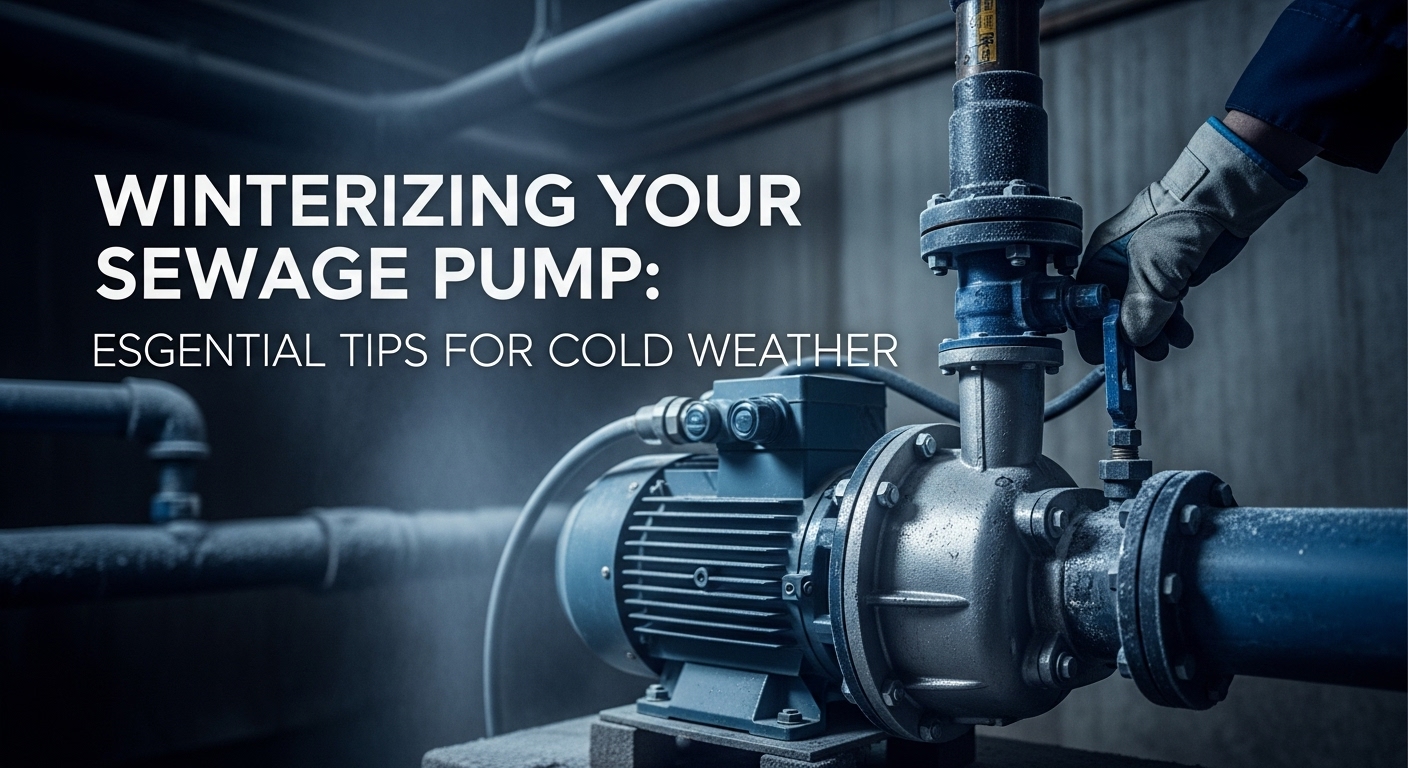
As winter approaches and temperatures begin to drop, preparing your sewage and submersible pumps for cold weather becomes absolutely essential. Freezing conditions can severely impact pump performance, leading to frozen discharge lines, cracked components, system failures, and costly water damage. Proper winterization helps protect your investment and ensures uninterrupted operation throughout the colder months.
Understanding the Importance of Winterizing Your Pump System
Winterization is crucial because pumps such as submersible water pumps, sewage pumps, and sludge pumps operate in wet environments that are highly vulnerable to freezing. When water trapped inside pumps, pits, or discharge pipes freezes, it expands and can crack housings or burst pipes. Preventive winter care minimizes downtime, avoids emergency repairs, and extends the overall lifespan of your pump system.
1. Inspect the Pump and Sump Pit Thoroughly
Begin winter preparation with a detailed inspection of the pump and sump pit. Remove dirt, debris, sediment, and sludge that may have accumulated. A clean system reduces the risk of clogs and freezing. Check the pump body for cracks, corrosion, or worn seals, especially if you are using higher-capacity units such as a submersible pump 1 hp or submersible pump 1.5 hp.
2. Clear and Insulate the Discharge Line
The discharge line is one of the most vulnerable components during winter. Ensure it is free of obstructions and slopes downward away from the property so water does not pool and freeze. Adding high-quality insulation around exposed piping helps maintain water flow and prevents ice formation that can cause backups or pipe failure.
3. Test the Backup Power System
Winter storms often cause power outages, which can disable your submersible dewatering pump or drainage pump when you need it most. Test battery backups or generators well in advance. Make sure batteries are fully charged and capable of supporting the pump load, especially for systems handling heavy flow or construction-related dewatering applications.
4. Check Float Switches and Alarm Systems
Float switches play a vital role in pump activation. Ice buildup or debris can restrict their movement, preventing the pump from turning on. Verify that float switches move freely and activate correctly. Installing audible or remote alarms provides early warning of system failure, allowing quick intervention before flooding occurs.
5. Install a Proper Sump Pump Cover
A sump pump cover helps maintain a stable temperature around the pit and reduces heat loss. Covers also prevent cold air infiltration and stop debris from entering the system. This is especially beneficial for pumps handling sewage, slurry, or waste materials that are more susceptible to clogs during winter.
6. Schedule Professional Maintenance
While routine homeowner checks are valuable, professional maintenance ensures complete winter readiness. A licensed technician can identify early signs of mechanical wear, verify electrical safety, and confirm that seals and impellers are functioning correctly. Industrial and commercial users may benefit from consulting manufacturers for application-specific winterization recommendations.
7. Monitor Pump Performance Throughout Winter
Even after winterizing, ongoing monitoring is essential. Periodically inspect the discharge line for ice, listen for unusual noises, and confirm that the pump cycles correctly. Systems used in construction or high-demand environments should be checked more frequently to prevent freezing-related downtime.
8. Consider Upgrading for Cold-Weather Performance
If your current pump struggles in low temperatures or shows signs of aging, winter is an ideal time to consider an upgrade. Modern submersible pumps offer improved insulation, higher efficiency motors, and better cold-weather reliability. Selecting the best submersible pump for your application can significantly improve winter performance and reduce maintenance concerns.
Conclusion
Winterizing your sewage pump, submersible sump pump, or dewatering pump is a proactive step that protects your system from freezing damage and unexpected failures. By inspecting components, insulating discharge lines, testing backup power, and scheduling professional maintenance, you ensure reliable operation throughout the cold season.
Whether your system includes a submersible slurry pump, cutter pump sewage setup, or standard submersible dewatering pump, proper winter preparation saves time, money, and stress. With the right preventive measures in place, your pump system will remain dependable even in the harshest winter conditions.